Why Mouse Exclusion Services Matter for Long-Term Rodent Control
After years of dealing with rodents in homes across Cleveland, Tennessee, I have learned that trapping alone rarely solves the problem. Mice and rats are persistent. They squeeze through gaps the size of a dime, climb foundation walls, and chew through materials that seem impossible. The real key to keeping them out is not just killing the ones inside. It is about stopping them from getting in at all. That is where mouse exclusion services come into play. These services focus on identifying every possible entry point, sealing it with the right materials, and making sure the structure stays rodent-proof for years.
Let me walk through what this actually means, because a lot of homeowners and property managers misunderstand it. They think exclusion is just caulking a few cracks and calling it done. It is far more involved. A thorough exclusion job starts with a detailed inspection of the entire building, from the roofline to the foundation. You look for gaps around utility lines, spaces under garage doors, openings around foundation vents, and any place where siding meets concrete. Every gap is a potential highway for rodents.
Why Trapping Alone Falls Short
Trapping has its place. I use snap traps, Victor Electronic Traps, TOM CAT glue boards, and Havahart traps for larger rodents like squirrels. But if you only trap, you are playing a numbers game. Mice reproduce fast. A single pair can produce dozens of offspring in a few months. Even if you catch twenty mice this week, more will find their way in through the same holes. Trapping is reactive. It manages the current population but does nothing to prevent the next wave.
Integrated Pest Management, or IPM, is the framework that guides professional rodent control. IPM emphasizes prevention first, then monitoring, then treatment. Mouse exclusion services fit right into the prevention stage. By sealing entry points and making structural repairs, you break the cycle before it starts. That approach saves time, money, and frustration in the long run.
The Anatomy of a Mouse Entry Point
To understand why exclusion is so important, you have to think like a mouse. Mice are motivated by food, water, and shelter. They follow scent trails along walls and pipes. They can climb vertical surfaces if the texture is rough enough. They gnaw through soft materials like foam insulation, drywall, and even some plastics. Their ribs are flexible, allowing them to squeeze through openings that seem impossibly small.
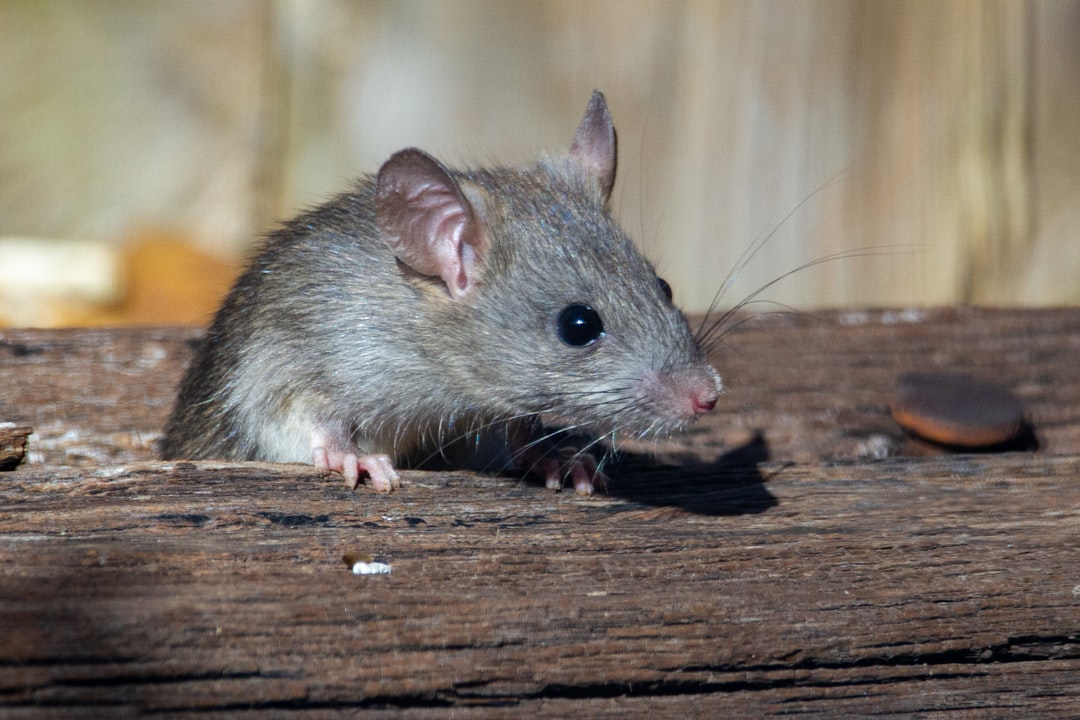
Common entry points include gaps around garage doors that do not seal tightly, spaces where foundation vents meet the wall, and openings where pipes or cables enter the building. I have seen cases where mice entered through a gap under a sliding glass door that was less than a quarter inch wide. The homeowner never noticed it because the gap was on the bottom track. But the mice found it.
Another frequent spot is where the roofline meets the siding. Mice can climb up vines, downspouts, or even stucco walls to reach attic vents or soffit gaps. Once they are in the attic, they travel through the entire house. That is why a complete exclusion inspection covers every level of the structure.
Materials That Work and Why
Not all sealing materials are equal. I have seen people stuff steel wool into gaps, which is a good start, but they forget to secure it. Mice can pull steel wool out if it is not held in place with caulk or expanding foam. A better approach is to combine materials. For larger holes, I use hardware cloth, which is a galvanized mesh that mice cannot chew through. I cut it to size and screw it over the opening. Then I seal the edges with caulk to prevent any gaps.
For smaller cracks and crevices, a high-quality silicone caulk works well. It stays flexible, does not crack with temperature changes, and adheres to most surfaces. I avoid using only expanding foam because mice can chew through it. If I use foam, I always cover it with hardware cloth or metal mesh afterward.
Garage doors are a common weak point. The rubber weather stripping at the bottom can warp or crack over time. A simple fix is to install a new threshold seal or a bottom seal kit. But I also check the sides and top of the door. Sometimes the track has gaps that need filling. Foundation vents are another area where hardware cloth shines. I cut it to fit the vent opening and screw it in place. It keeps mice out while allowing airflow.
Health Risks Beyond the Nuisance
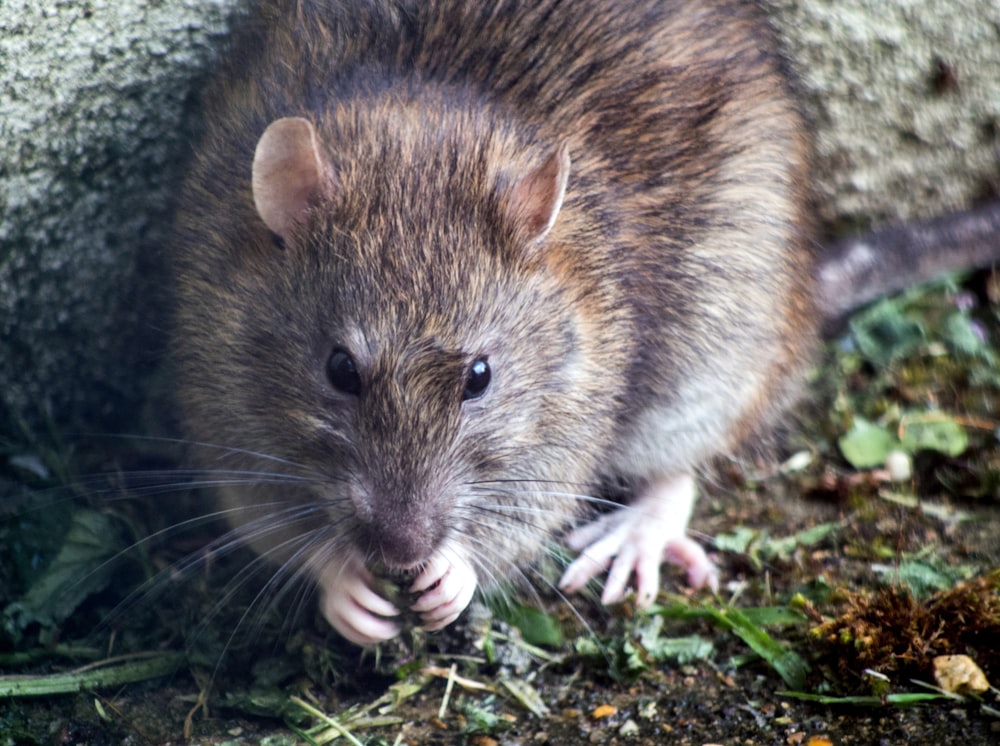
Rodents are not just a nuisance. They carry diseases that can affect people and pets. Hantavirus is one of the most serious. It is spread through mouse droppings, urine, and saliva. When dried droppings are disturbed, the virus becomes airborne and can be inhaled. In Cleveland and across Tennessee, cases are rare but real. The best protection is to prevent mice from ever entering the home.
Other risks include salmonella, leptospirosis, and the allergens that mouse dander and droppings create. For people with asthma or allergies, a mouse infestation can make symptoms worse. That is another reason why prevention through rodent exclusion is so important. It protects health, not just property.
How Professional Mouse Exclusion Services Work
When I provide mouse exclusion services, the process follows a clear sequence. First, I do a thorough inspection of the property, inside and out. I look for signs of rodent activity like droppings, gnaw marks, grease rubs along walls, and nests. I also look for conditions that attract rodents, such as overgrown vegetation, woodpiles stored against the house, or bird feeders that spill seed.
Next, I identify all potential entry points. I use a flashlight and a small mirror to check dark corners and crawl spaces. I mark each opening with chalk or a sticky note so I can come back to seal it. Then I prioritize the repairs. Larger holes get hardware cloth and screws. Smaller gaps get caulk or steel wool. I also check the roofline, soffits, and attic vents.
After the sealing is complete, I set up monitoring stations. These might include snap traps, Victor Electronic Traps, or TOM CAT glue boards placed in strategic locations. The goal is to catch any mice that were already inside before the exclusion work was done. I check the traps regularly and remove any rodents. Finally, I provide the homeowner with a written report and recommendations for ongoing prevention.
Some people ask if they can do exclusion themselves. Yes, for small jobs, a handy homeowner can seal a few cracks. But for a whole-house approach, professional mouse exclusion services are worth it. A trained eye spots gaps that most people miss. Plus, the materials and techniques used by professionals last longer and hold up better over time.
Prevention as a Long-Term Strategy
Rodent proofing is not a one-time event. It is an ongoing process. Over time, foundations settle, siding shifts, and weather stripping wears out. A house that was sealed five years ago may have new gaps today. That is why I recommend annual inspections as part of a prevention plan. The National Pest Management Association also advises regular checks, especially before winter when rodents seek warmth indoors.
In Cleveland, Tennessee, the climate contributes to rodent pressure. Cold snaps drive mice indoors, and warm summers provide plenty of food and breeding opportunities. Homes near wooded areas or fields are especially vulnerable. But even urban homes face problems because rodents travel along utility lines and through shared walls in apartment buildings.
One thing I have learned is that exclusion works best when combined with sanitation and habitat modification. Keep kitchens clean, store food in sealed containers, and remove clutter that provides nesting sites. Outside, trim tree branches away from the roof, keep firewood elevated and away from the house, and seal trash cans tightly. These steps reduce the appeal of your property to rodents.

Tools of the Trade
Over the years, I have tried many tools and traps. Each has its place. Snap traps are fast and lethal. Victor Electronic Traps are clean and easy to check. Havahart traps are useful for larger animals like squirrels or chipmunks that you want to relocate. TOM CAT glue boards work for mice in tight spaces where other traps cannot fit. But none of them replace the foundational work of exclusion.
I always tell clients that trapping is like taking out the trash while leaving the door open. You can clean up the mess, but more will come. Sealing the house is the only way to stop the flow. That is why mouse exclusion services are the cornerstone of any serious rodent control program.
If you are dealing with mice in your home, start with an inspection. Look for the small signs. Check your garage door, your foundation vents, and any place where pipes enter the wall. Then decide whether to tackle it yourself or call in a professional. But do not skip the sealing step. It is the difference between a temporary fix and a permanent solution.